Why More German Households Are Using Home Energy Management Systems (HEMS)
Germany is entering a new era of home energy.
In the past, households were simply electricity consumers. Most energy came directly from the public grid, and homeowners mainly focused on keeping monthly electricity bills under control. But as Germany’s Energiewende continues to accelerate, more households are installing solar panels, home battery storage systems, EV chargers, and heat pumps. As a result, the structure of home energy consumption is changing rapidly.
Today, a typical German home is no longer just consuming electricity. It is increasingly becoming a boutique energy producer, storage unit, and smart energy hub altogether.
At the same time, managing home energy has become far more complex.
Many homeowners quickly realize that installing solar panels and batteries alone does not automatically lead to maximum energy efficiency. In many cases, households still rely heavily on expensive grid electricity during the evening, while excess solar power generated during the day is sold back to the grid at relatively low feed-in tariffs.
This means that while homes are already producing renewable energy, they are not yet using that energy in the smartest or most cost-effective way.
That is exactly why Home Energy Management Systems (HEMS) are becoming increasingly popular across Germany.
What Is Home Energy Management System (HEMS)?
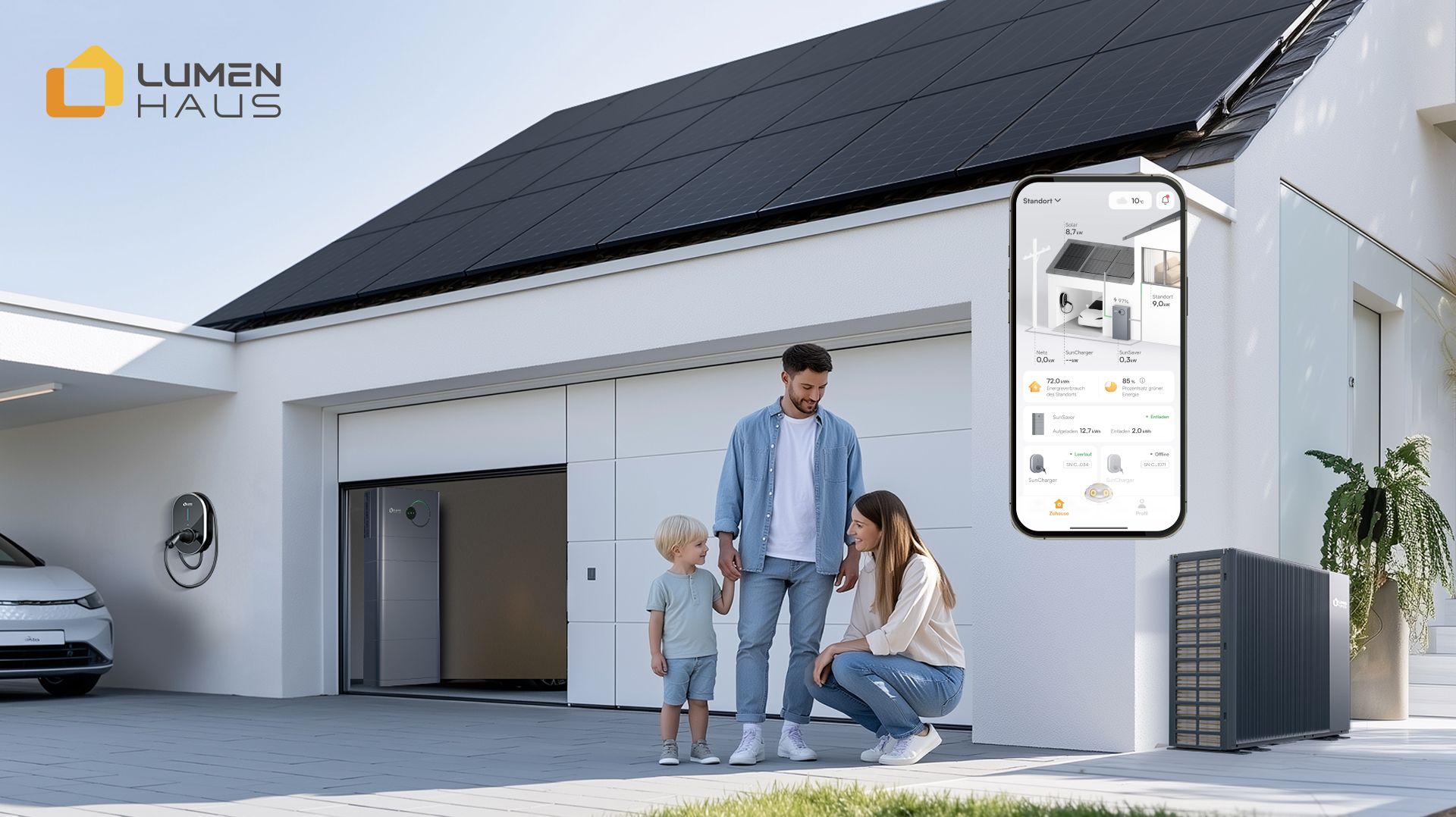
A Home Energy Management System, or HEMS, is essentially a smart platform designed to manage and optimize energy flows within a home.
It connects and coordinates different energy devices such as solar systems, battery storage, EV chargers, heat pumps, smart appliances, and smart meters. More importantly, it continuously analyzes how energy is being generated, stored, and consumed throughout the household.
But the real value of a HEMS goes far beyond simply displaying energy data.
A modern HEMS can automatically optimize how and when energy is used based on real-time electricity prices, weather forecasts, solar generation forecasts, battery levels, and household energy habits.
For German households, this capability is becoming increasingly important.
Germany continues to have some of the highest residential electricity prices in Europe, while dynamic electricity tariffs are becoming more widely available. Under these conditions, traditional energy consumption habits are no longer enough to achieve long-term energy savings.
HEMS helps households reduce electricity costs, improve solar self-consumption, and increase overall energy independence.
What Is the Difference Between HEMS and Smart Meter?
Many German homeowners confuse HEMS with smart meters, but the two technologies serve very different purposes.
A smart meter is primarily a measurement device. Its main role is to record electricity consumption data and send that information to utilities or grid operators for billing and energy monitoring purposes.
In other words, a smart meter tells you how much electricity your home uses.
A HEMS, however, goes one step further.
Instead of simply collecting data, it actively manages how energy is used throughout the home. It helps decide when electricity should be consumed, when batteries should charge or discharge, and when grid usage should be minimized.
For example, when solar production is high during midday, the system can automatically schedule heat pumps or EV charging. When electricity prices are low, it can charge the battery storage system. During expensive evening peak hours, it can prioritize stored solar energy instead of purchasing electricity from the grid.
As dynamic tariff becomes more common in Germany, this level of automation is becoming increasingly valuable.
For most households, manually tracking hourly electricity prices and adjusting multiple devices every day is simply unrealistic. Future-ready homes will depend heavily on AI-driven automation and intelligent energy scheduling.
Why HEMS Is Becoming Essential for German Energy-Efficient Homes
The German HEMS market is evolving quickly.
Older energy management systems mainly focused on monitoring and visualization. Users could see solar production, battery status, and household energy consumption, but the system itself was largely passive.
Today, however, next-generation smart HEMS platforms are introducing AI-powered automation and predictive energy management.
Modern HEMS solutions can forecast solar production, analyze household consumption patterns, monitor dynamic electricity prices, and automatically optimize energy usage throughout the day.
This shift is particularly important in Germany because the future of the energy transition is no longer only about generating more renewable electricity. It is also about using energy more intelligently.
HEMS has become the control layer that connects all parts of a modern smart home energy ecosystem.
How a HEMS Helps German Households Reduce Electricity Costs
Lowering electricity bills remains one of the biggest motivations for German homeowners investing in solar and storage systems.
Germany has some of the highest household electricity prices in Europe, making efficient energy management increasingly important.
Traditional homes typically consume electricity whenever it is needed, regardless of electricity prices or solar availability.
HEMS works differently.
Instead of reacting passively, it actively looks for the most cost-efficient way to use energy throughout the day.
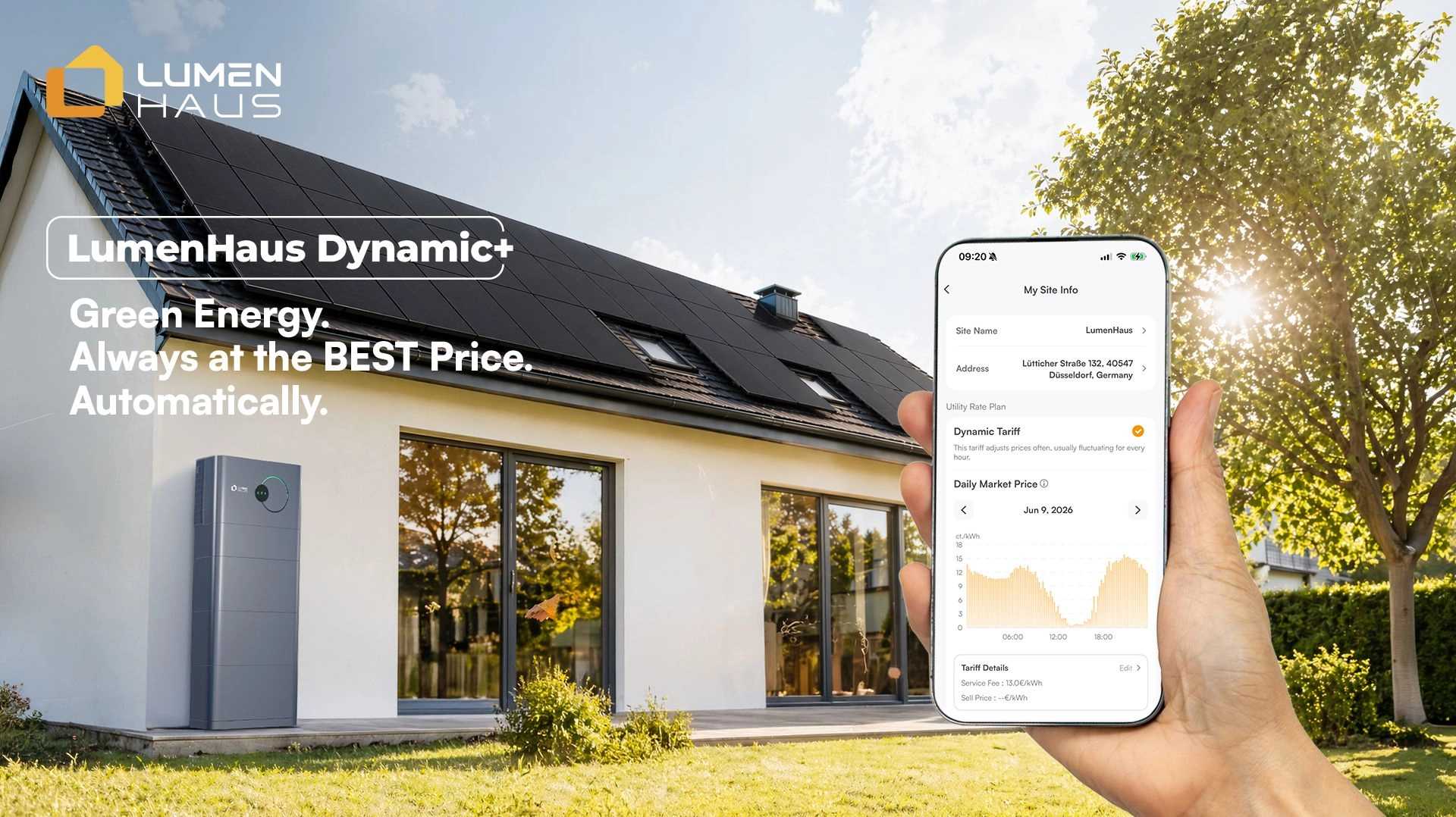
When solar production peaks at midday, the system can automatically run high-energy appliances or heat pumps. During low-price periods under dynamic electricity tariffs, it can charge batteries or EVs. In the evening, when electricity prices rise, the home can rely on stored solar energy instead of purchasing expensive grid electricity.
This intelligent energy scheduling significantly reduces grid dependency during peak-price hours.
For households with solar panels, battery storage, EV chargers, and heat pumps, the long-term savings can be substantial.
As dynamic tariffs continue to expand across Germany, the importance of HEMS will only continue to grow.
Why Dynamic Tariffs Are Accelerating HEMS Adoption in Germany
One of the biggest changes happening in the German energy market is the rise of dynamic tariffs.
In the future, electricity prices for many households will fluctuate throughout the day based on Day-Ahead Market conditions instead of remaining flat-rate.
This creates major price differences between low-demand and high-demand periods.
For example, electricity prices may fall significantly when wind and solar generation are abundant, while evening peak demand periods can lead to much higher prices.
This changing pricing structure makes intelligent energy management far more important than before.
HEMS can automatically detect the cheapest electricity periods and schedule battery charging, EV charging, and heat pump operation accordingly.
Without automation, this level of optimization would be nearly impossible for most households to manage manually.
That is why HEMS is rapidly shifting from a premium feature to a core component of modern German home energy systems.
AI-Powered HEMS Is Reshaping the Future of Smart Homes in Germany
Traditional HEMS platforms mainly acted as monitoring tools.
The next generation of HEMS, however, is increasingly functioning as an AI-powered home energy assistant.
Artificial intelligence is transforming HEMS from passive monitoring systems into active decision-making platforms.
Modern systems can learn household energy habits, predict weather conditions and solar production, and automatically generate optimized energy strategies.
As a result, home energy systems are becoming truly intelligent.
For example, the LumenHaus HEMS platform uses its AI-driven Smart-Eco Mode to combine dynamic tariffs, weather forecasting, solar generation forecasts, and household consumption behavior in order to optimize energy usage automatically.
The system can charge batteries during low-price periods, prioritize stored energy during peak-price hours, and intelligently optimize both heat pump and EV charging operations.
At the same time, the built-in AI assistant Lumi makes home energy management far more user-friendly.
Instead of navigating complex settings, users can simply interact with the system through natural voice commands. Tasks such as scheduling overnight EV charging, adjusting heat pump temperatures, or checking system status become part of everyday smart home living.
As AI continues to evolve, home energy management is becoming increasingly integrated into Germany’s broader smart home ecosystem.
Why HEMS Is Becoming a Key Part of Energy Independence in Germany
For many German households, energy independence is becoming a long-term priority.
Homeowners want to reduce dependence on the public grid, maximize the use of self-generated renewable energy, and gain greater control over future energy costs.
HEMS plays a critical role in making this possible.
By intelligently coordinating solar production, battery storage, and household energy demand, a HEMS can significantly increase solar self-consumption, reduce energy waste, and improve the long-term return on investment of home energy systems.
In the future, German homes will no longer be simple energy consumers. They will become active participants in intelligent decentralized energy networks.
HEMS is the technology that brings all of these elements together.
Conclusion
The real value of a Home Energy Management System goes far beyond lowering electricity bills.
HEMS helps households improve energy efficiency, increase energy independence, and build a more sustainable long-term energy lifestyle.
As Germany continues to accelerate its energy transition, the future of home energy will no longer depend only on having solar panels or batteries. It will depend on how intelligently households manage and optimize their energy usage.
In the coming years, smart energy management will become one of the most important foundations of modern German homes.
Contact LumenHaus today and experience a smarter, more sustainable way to manage home energy.