How Energy Storage Systems Respond to Dynamic Tariff?
Energy storage systems (ESS) help households take advantage of dynamic electricity pricing through a strategy known as “load shifting.”
In simple terms, your system automatically charges when electricity is cheap (for example at night or during high renewable generation) and uses stored energy when prices are high (such as in the evening).
With the right setup in Germany—combining smart meters and energy management systems—this can significantly reduce electricity costs while making your home more energy independent.
1. Germany’s Energy Shift: From Flat Rates to Hourly Billing
For a long time, German households have been accustomed to fixed-price electricity contracts per kWh. However, with the amendment of the German Energy Industry Act (EnWG § 41a), this model is undergoing a fundamental change. Starting in 2025, all large energy suppliers will be required to offer dynamic electricity tariffs to their customers.
Under this model, electricity prices are no longer a flat line but fluctuate hourly according to wholesale prices on the EPEX Spot (European Power Exchange). This means that when wind power is strong in the North Sea or when the sun is bright at midday, prices can drop to zero or even turn negative. But come early evening when millions of households all want hot water and a cooked meal at roughly the same time, prices can double in the space of an hour. For households without a energy mangement solution, this volatility represents a burden on their bills; but for those with a smart storage system, it is an "arbitrage" opportunity.
2. How Does a Storage System “Read” the Price?
The process of an ESS responding to dynamic pricing is essentially the digital matching of data flow and energy flow. The core logic can be broken down into three key steps:
Real-time Price Signal Acquisition
Modern storage systems are no longer just a set of batteries; they are connected to Smart Meters and external price APIs through intelligent interfaces, like EEBUS or SEMP protocols. The system obtains electricity price forecast data for the next 24 hours in advance.
Predicting Household Consumption Habits
Knowing the price alone isn't enough. If historical data tells the system that you typically charge your EV on Tuesday evenings around 6pm, it can work out whether it makes more sense to charge right now using whatever solar energy is available, or hold off until 2am when dynamic grid power might be sitting at 15 cents per kWh. That kind of calculation, running continuously in the background, is how to take advantage of dynamic tariff.
Automatic Execution of Charge/Discharge Strategies
After understanding the "price trend" and "household demand," the system automatically locks in energy during price troughs. This response is fully automated, requiring no manual switching by the user. A comparison that gets used a lot in the industry: the storage system allows you to "put" cheap energy in a jar when prices are low and "take it out" when prices are outrageously high, thereby avoiding being "harvested" by high-priced grid power.
3. “Smart Integration” is the Key to Response Efficiency
In Germany, a standalone battery is no longer sufficient to meet increasingly complex energy needs. A true dynamic response requires an "ecosystem perspective."
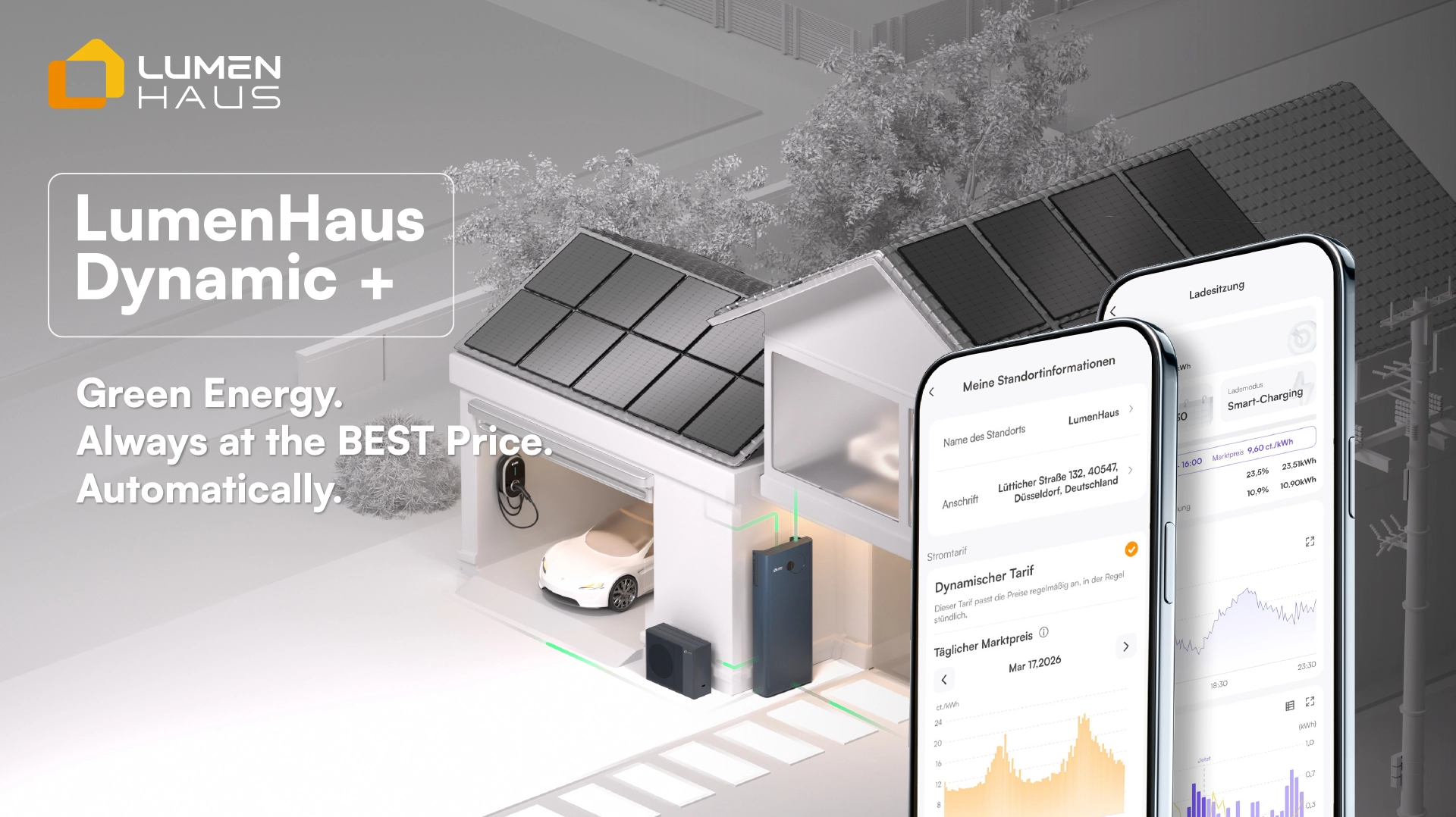
Think about what becomes possible when everything is connected. Dynamic prices drop to their lowest point and, at exactly that moment, your storage system doesn't just charge the battery. It also instructs your heat pump to top up the hot water tank, and tells the wallbox in the garage to start a high-current charging session for the car. All three happening simultaneously, all three taking advantage of the same low-price window. The economic benefit of this multi-device synergy far exceeds that of a single battery. This deep system integration—managing storage, heat pumps, and charging piles under a single "brain"—is the current mainstream trend in the German high-end energy market. This is why digital platforms like the myLumenHaus App are playing an increasingly critical role in home energy management, taking what is actually quite complex pricing logic and presenting it as simple, easy-to-understand "savings" figures on a user's phone.
4. Balancing Economic Efficiency and Social Responsibility
The response of storage systems to dynamic pricing is about more than just saving a few hundred euros a year.
Then zoom out and look at the bigger picture. When thousands of German households charge during low-price periods and switch to self-supply during high-price periods,they collectively behave like what the energy industry calls a "Virtual Power Plant (VPP)." This behavior relieves pressure on the German grid during peak hours and reduces reliance on expensive, high-pollution fossil fuel peaking plants. For the user, it is a win-win: while pursuing personal economic interests, they are also making a substantial contribution to Germany's energy transition (Energiewende).
5. LumenHaus: Making Complex Energy Management Human-Centric
Understanding the logic of dynamic pricing may not be difficult, but turning it into daily bill savings requires highly professional and reliable hardware support.
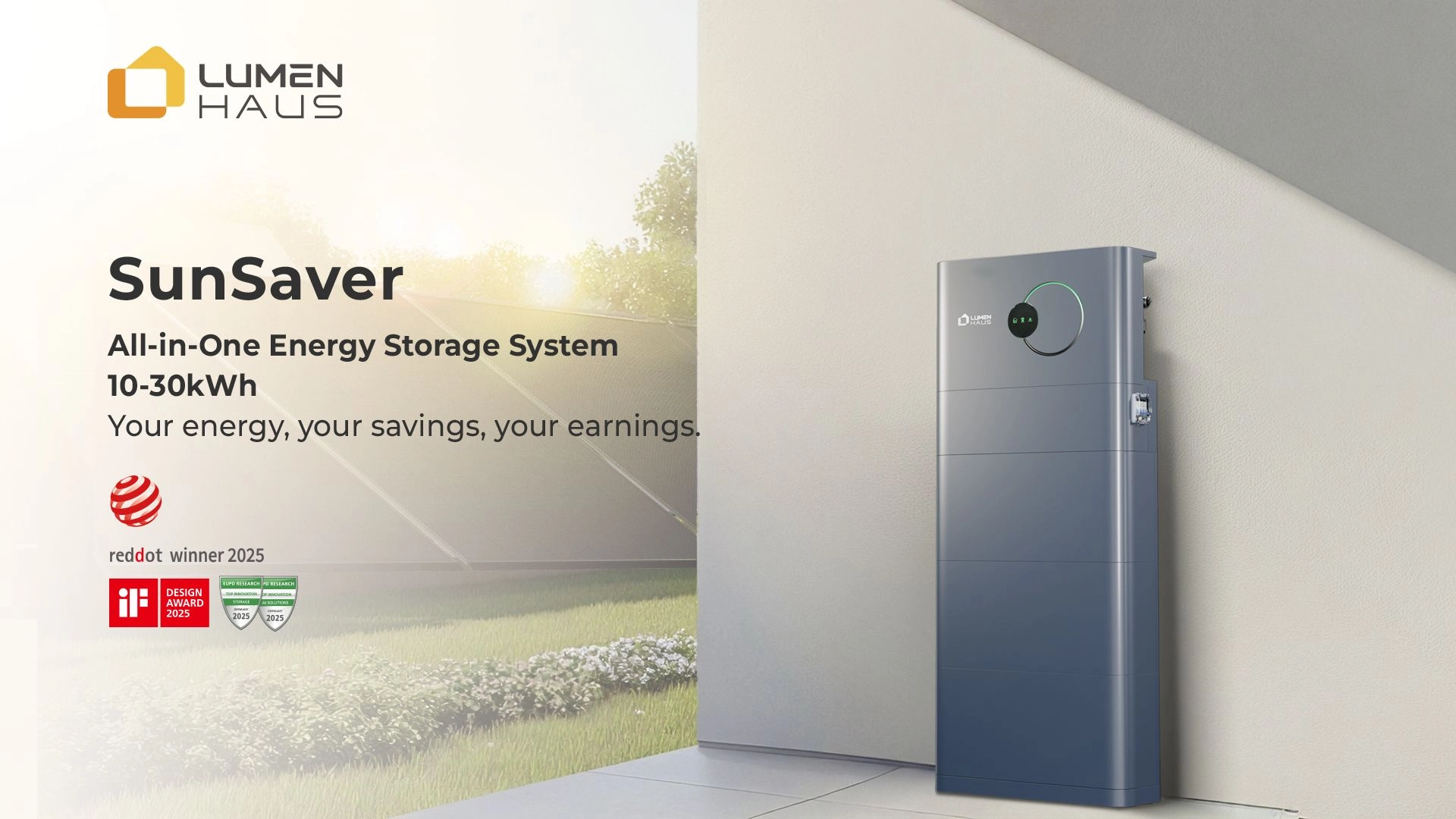
As energy solution experts headquartered in Düsseldorf, LumenHaus is committed to translating this complex response technology into an accessible home experience. The SunSaver All-in-One ESS energy storage system is designed specifically for the German dynamic tariff market, with AI prediction algorithms that interface directly with mainstream dynamic electricity contracts without requiring the household to manage any of that complexity themselves.
We do not advocate for dull technical accumulation; instead, we champion "minimalist green living." Through the full suite of Lumenhaus solutions—from high-efficiency SunCatcher solar modulesto the whisper-quiet SunHeater heat pump and the intelligent SunCharger—we make sure every watt in your home is generated, stored or consumed at the moment it makes the most sense economically and environmentally.
Furthermore, LumenHaus Dynamic+ gives you direct access to some of the most affordable grid power available in Germany — intelligently optimized and fully transparent.
The 5 Core Advantages of the LumenHaus Dynamic+
One of Germany’s Most Competitive Dynamic Tariffs
In partnership with certified green energy provider, naturstrom, LumenHaus supplies customers exclusively with renewable electricity.
In 2025, naturstrom was recognized by leading German media for offering some of the most competitively priceddynamic tariffs in the country.
100% Renewable Electricity — Generated in Germany
All grid electricity is sourced exclusively from German solar, wind, and hydropower.
AI-Optimized Savings (Smart-Eco Mode)
Electricity prices can start from €0/kWh depending on market conditions. Your system automatically shifts consumption to the lowest-price hours and switches seamlessly between solar production and grid supply.
Transparent Pricing & Full Flexibility
No hidden fees. Clear structure. Cancel monthly & resubscribe at any time.
Effortless Switching
LumenHaus guides you step by step, making the transition to dynamic pricing simple, secure, and worry-free.
Are you ready for the era of dynamic electricity pricing?
Ready to take control of your electricity costs?
Get your free home energy assessment today and discover how much you could save with a smart LumenHaus system.