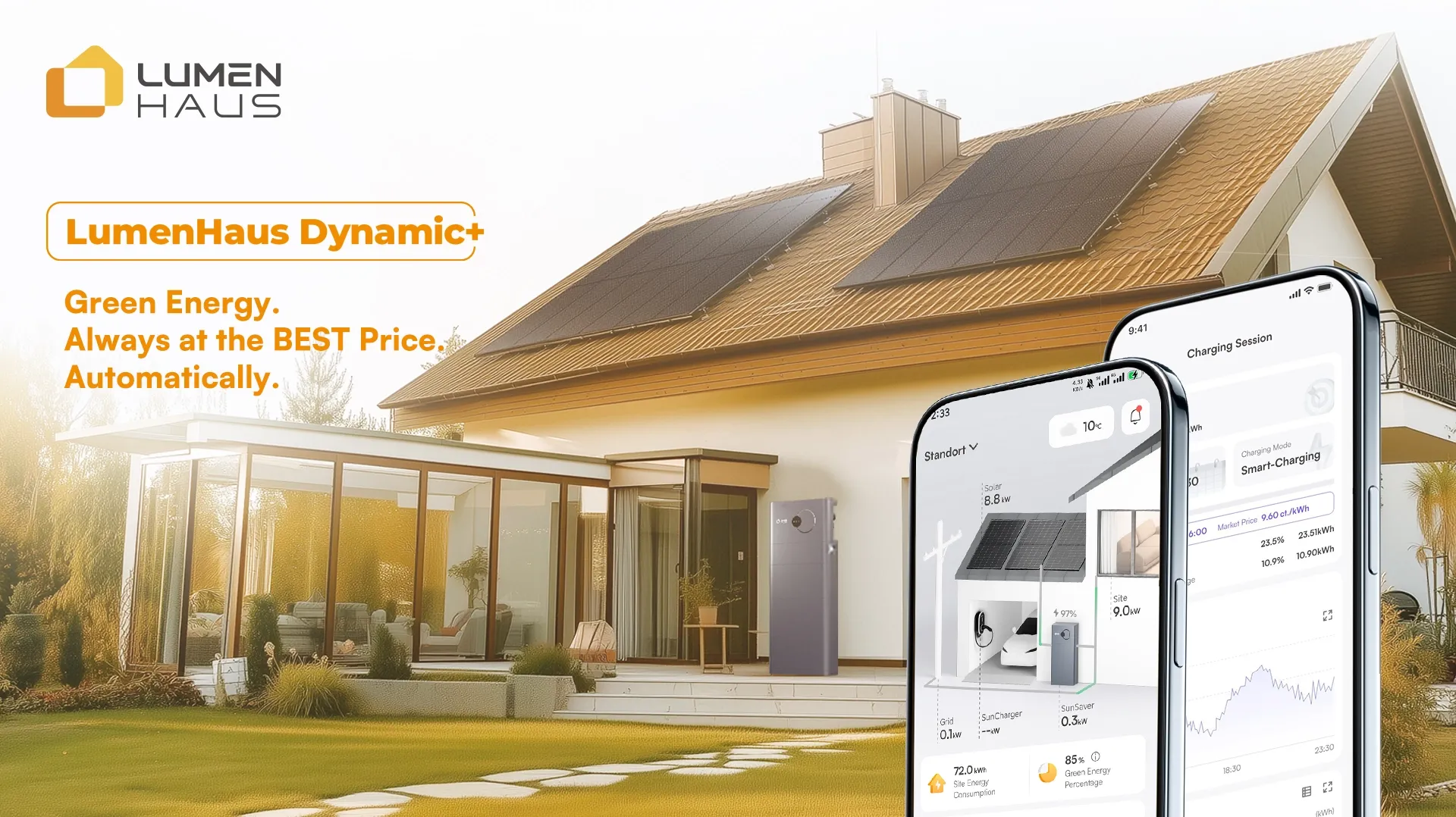
Is a dynamic tariff worth it in Germany in 2026? A complete comparison of dynamic vs. flat-rate tariff – and which one fits your household
In 2026, all electricity suppliers in Germany offer dynamic tariffs, while dynamic grid fees and smart meters are also becoming increasingly common. But does that actually mean dynamic tariff is the cheaper option?
Let's break down the differences between dynamic and flat-rate tariffs, the latest regulatory changes, who each option is suitable for, and how smart home energy management from LumenHaus can help reduce electricity costs.
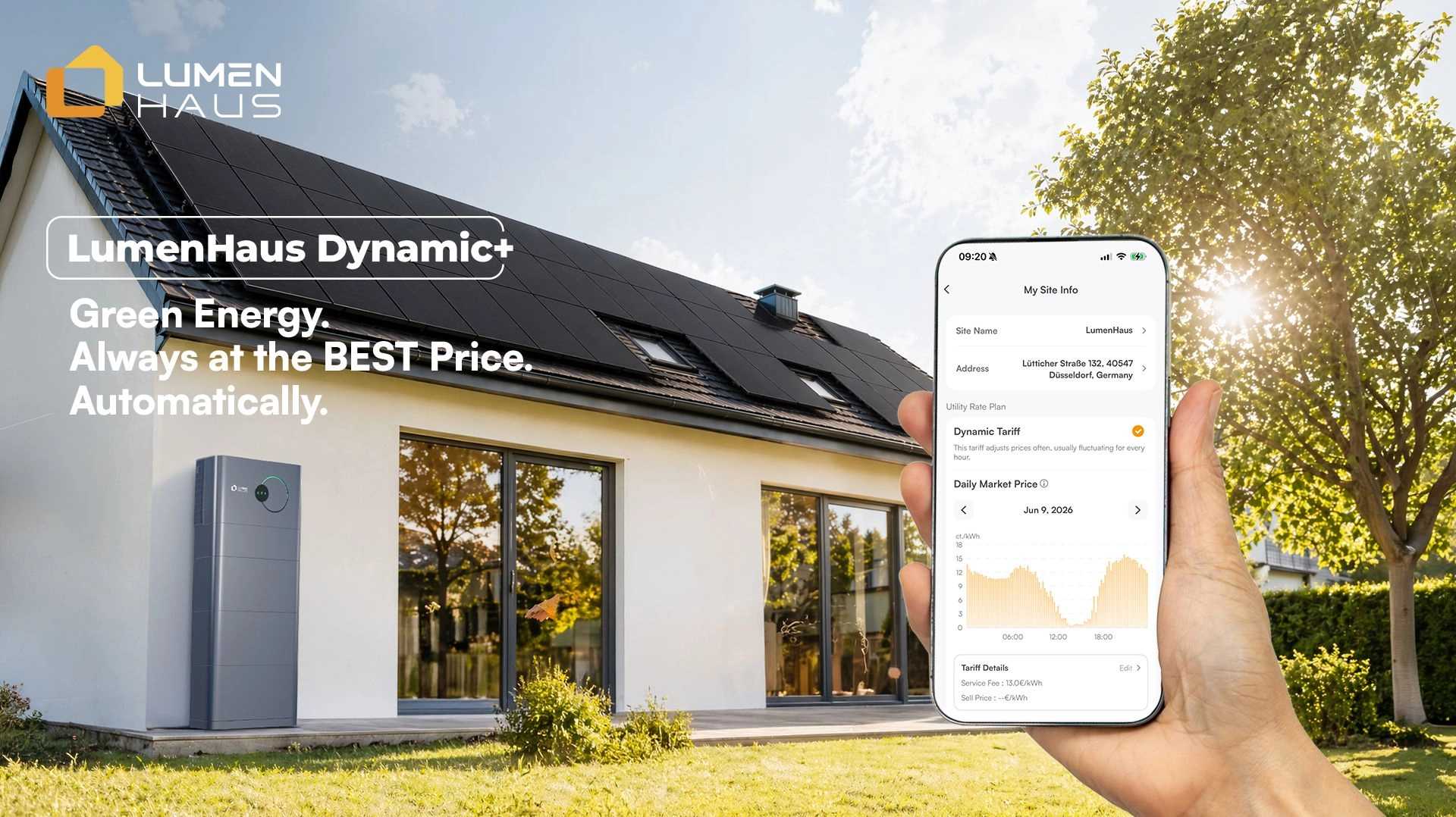
Dynamic vs. flat-rate tariffs: how do you choose the right plan in 2026?
In recent years, most German households only had to compare electricity prices when choosing a contract.
But in 2026, a new question is becoming increasingly important:
Is a dynamic tariff (Dynamischer Stromtarif) actually cheaper than a flat-rate tariff?
The answer is not simply yes or no.
For households with solar PV systems, home battery storage, heat pumps, or electric vehicles, dynamic tariffs often mean lower electricity costs and better energy efficiency. For households that cannot shift their electricity usage flexibly, a traditional flat-rate tariff may still be the better option.
At the same time, the German energy market is going through major changes: widespread rollout of dynamic tariffs, increasing adoption of smart meters, introduction of dynamic grid fees, and upcoming energy sharing regulations. All of this is transforming how households manage energy.
This article will help you understand:
- What is the difference between dynamic and flat-rate tariffs?
- What policy changes are coming in Germany in 2026?
- Which households are actually suited for dynamic tariff?
- Why many people still don’t save money with dynamic tariffs
- How AI-based home energy management can reduce electricity costs automatically
What is the difference between dynamic and flat-rate tariff?
Both options are ways of buying electricity for your home, but the key difference is whether the price changes with the market.
Flat-rate Tariff
A flat-rate tariff means the price per kWh stays the same throughout the contract period.
No matter whether wholesale electricity prices go up or down, your price remains stable. This makes budgeting predictable and is ideal for households that value cost certainty.
However, this stability comes at a cost: suppliers usually factor expected market risks into the price. In other words, customers indirectly pay a “risk premium”.
Dynamic Tariff
A dynamic tariff is directly linked to prices on the German electricity exchange (EPEX Spot).
Prices typically update every 15 minutes, and day-ahead prices are published in advance.
This means:
When wind and solar production is high, electricity supply increases and prices usually drop.
When demand is high in winter evenings or renewable generation is low, prices can rise significantly.
Compared to flat-rate tariffs, dynamic tariff is much closer to the real market price—without a built-in risk premium, but with higher price volatility.
What’s changing for dynamic tariffs in Germany in 2026?
In the past, dynamic tariffs were mainly niche products offered by a few energy providers.
Since 2025, however, they have become a core part of the German energy market. In 2026, several key developments are worth noting:
All electricity suppliers must offer dynamic tariffs
From 2025 onwards, all electricity providers in Germany are required to offer at least one dynamic pricing product.
This increases consumer choice and strengthens market competition.
Dynamic grid fees are being introduced
From April 2026, parts of Germany’s grid fees will vary depending on the time of day.
Households that shift electricity usage away from peak times can reduce their overall energy costs.
For homes with smart meters and home energy management systems (HEMS), the savings potential becomes significantly higher.
Energy sharing is coming
From 2026 onwards, Germany is expected to gradually introduce energy sharing models.
In the future, households with solar systems will not only use their own electricity but also be able to sell surplus power to neighbours or other apartments in the same building. This increases solar efficiency and strengthens the value of both dynamic tariffs and smart energy management.
Which households are best suited for dynamic tariffs?
A dynamic tariff is not suitable for everyone.
It is usually a good option if your household has one or more of the following:
Solar PV Systems with Storage
You can decide in real time whether to use stored energy, feed electricity into the grid, or buy from the grid depending on market prices—maximising solar efficiency.
Home Battery Storage
A battery can charge when prices are low and supply electricity when prices are high, reducing overall energy costs. If electricity prices rise later, the battery storage system can supply the household with cheaply stored power. This works even without PV modules — the storage unit alone can operate with a dynamic electricity tariff.
Heat Pumps
Heat pumps offer flexible operation and can pre-heat during low-price periods to improve efficiency.
Electric Vehicles
Charging times can easily be shifted, making EVs ideal for low-cost electricity during night hours or renewable energy peaks.
High Annual Electricity Consumption
The higher your consumption, the greater the potential savings from optimised timing.
Can dynamic tariffs really save you money?
This is one of the most important questions for households choosing between tariffs.
The answer is:
Yes—but only if your household can actively use low-price periods.
The real value of dynamic tariff is not just that prices change. It is that it allows households to shift electricity consumption to cheaper times, improving efficiency and potentially lowering total costs.
Compared to flat-rate tariffs, dynamic tariffs offer several advantages.
Lower electricity costs during off-peak hours
Dynamic tariffs are typically linked to EPEX Spot market prices and update every 15 minutes.
When wind and solar generation is high, or at night and weekends when demand is lower, prices often drop.
If you shift activities like laundry, dishwashing, EV charging, or heat pump operation into these time windows, you can reduce overall electricity costs without changing your daily comfort.
No built-in risk premium
Flat-rate tariffs are stable, but suppliers usually include a risk buffer to protect against future price fluctuations.
With dynamic tariff, you pay the actual market price. When prices fall, you benefit directly.
Solar and battery systems amplify the benefits
For households with PV and battery storage, dynamic tariffs add another layer of optimisation.
When prices are high, you can rely on stored energy.
When prices are low, you can charge the battery from the grid and preserve stored energy for peak-price periods.
Heat pumps and EVs benefit most
Heat pumps and electric vehicles are typically high-consumption devices—but also highly flexible.
If they operate automatically during low-price periods, long-term electricity costs can be significantly reduced.
Dynamic tariffs support the energy transition
When more households use electricity during periods of strong wind and solar generation, renewable energy can be utilised more efficiently.
This reduces grid congestion and helps stabilise the overall energy system.
For this reason, dynamic tariffs are not just a pricing model—they are becoming an important part of Germany’s energy transition.
However, dynamic tariffs do not automatically guarantee savings.
The real driver of cost reduction is whether households can adapt their usage patterns to price signals.
Why many households don’t actually save money with dynamic tariffs
This is a common issue in Germany.
Dynamic tariffs can change dozens of times per day.
Checking prices manually and deciding when to run appliances or charge a car is not realistic for most people in the long run.
The problem is not the tariff itself.
It is the complexity of manual management.
AI home energy management is changing how dynamic tariffs are used
More and more German households are using Home Energy Management Systems (HEMS) to automate these decisions.
These systems continuously analyse:
- Electricity market prices
- Solar production forecasts
- Weather conditions
- Household consumption patterns
- Battery state of charge
- Heat pump demand
- EV charging needs
And automatically decide:
- when to charge the battery
- when to prioritise solar energy
- when to run the heat pump
- when to charge the electric vehicle
All of this happens without daily user intervention.
This is what “AI-powered home energy management” looks like in practice.
LumenHaus Dynamic+: more than a tariff, a smart energy system
A dynamic tariff alone is just a pricing mechanism.
What truly determines savings is whether smart optimisation is in place.
LumenHaus Dynamic+combines dynamic electricity pricing with the LumenHaus Home Energy Management System (HEMS), along with the SunSaver All-in-One battery storage system, SunCatcher solar system, SunHeater heat pump, and SunCharger EV charger.
With AI-driven Smart-Eco Mode, the system continuously analyses electricity prices, weather forecasts, and household energy demand, and optimises energy flows in real time—without requiring daily user input.
Even without a PV system or battery, users can subscribe to Dynamic+ and access smart energy management with 100% renewable electricity and flexible subscription options.
For households looking to reduce electricity costs and improve energy efficiency, Dynamic+ is more than a tariff—it is a complete intelligent energy management approach.
FAQ
Do I need a smart meter for dynamic tariffs?
A smart meter (iMSys) is strongly recommended to fully benefit from dynamic tariffs. Without it, some providers may use averaged pricing instead of real-time billing.
Is a dynamic tariff always cheaper than a flat-rate tariff?
Not necessarily. Prices can go up or down. Savings depend on whether households can shift consumption or use smart optimisation tools.
Can I use a dynamic tariff without solar panels?
Yes. It is suitable for all households, although homes with EVs, heat pumps, or storage systems usually benefit more.
Is it suitable for renters?
Yes, if the provider supports it and metering conditions are met. Installation depends on the landlord and grid operator.
Want to know if dynamic tariffs fit your home?
Every household is different when it comes to energy usage, equipment, and saving potential.
LumenHaus energy advisors can assess your setup—including PV, storage, heat pumps, and EVs—and provide a free personalised recommendation to see whether Dynamic+ is right for you.
👉 Get your free home energy assessment and make every kWh count.
Latest Blog
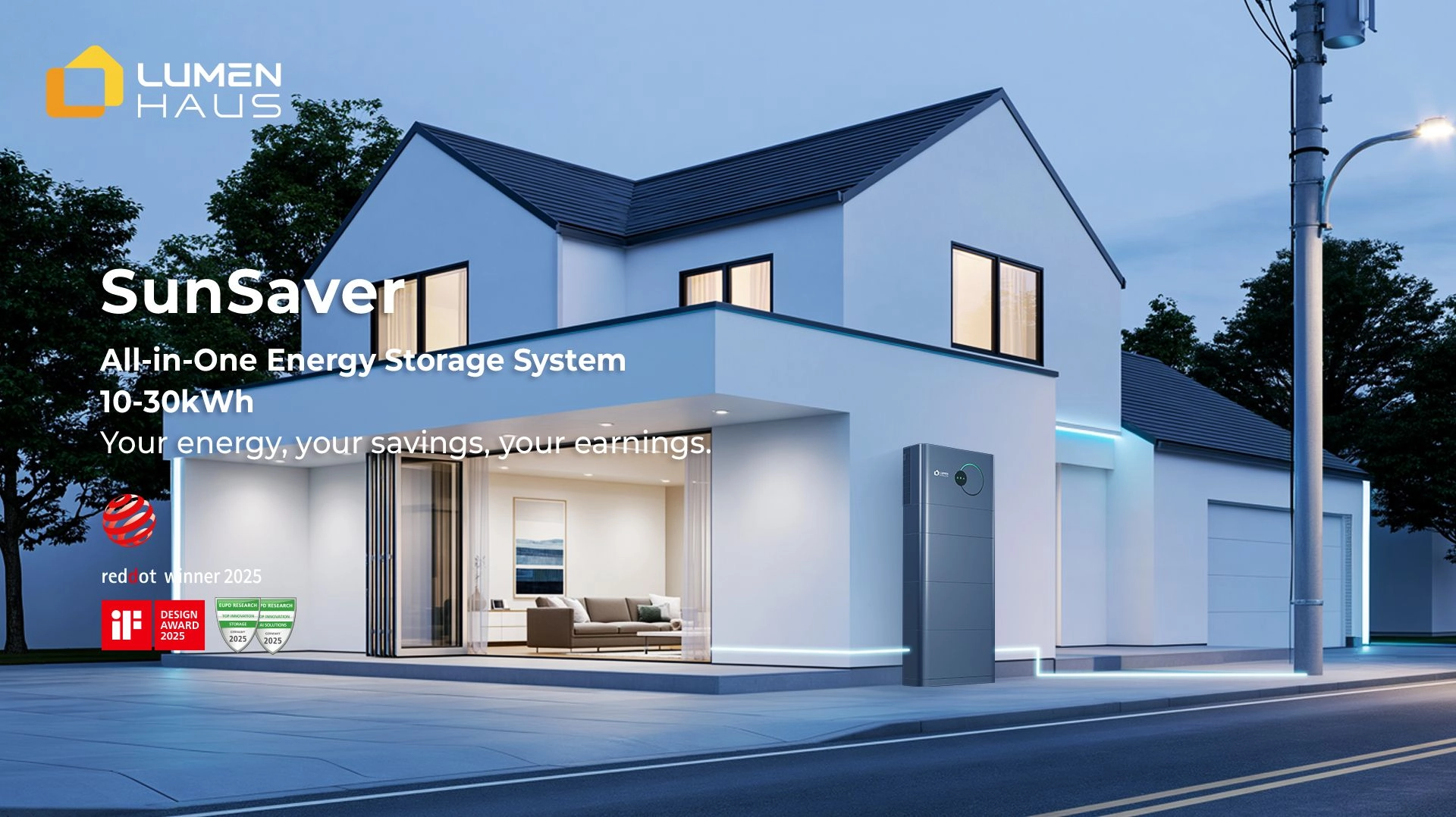
Solar Battery Storage Costs in Germany (2026): How Much Does It Cost and When Does It Pay for Itself?
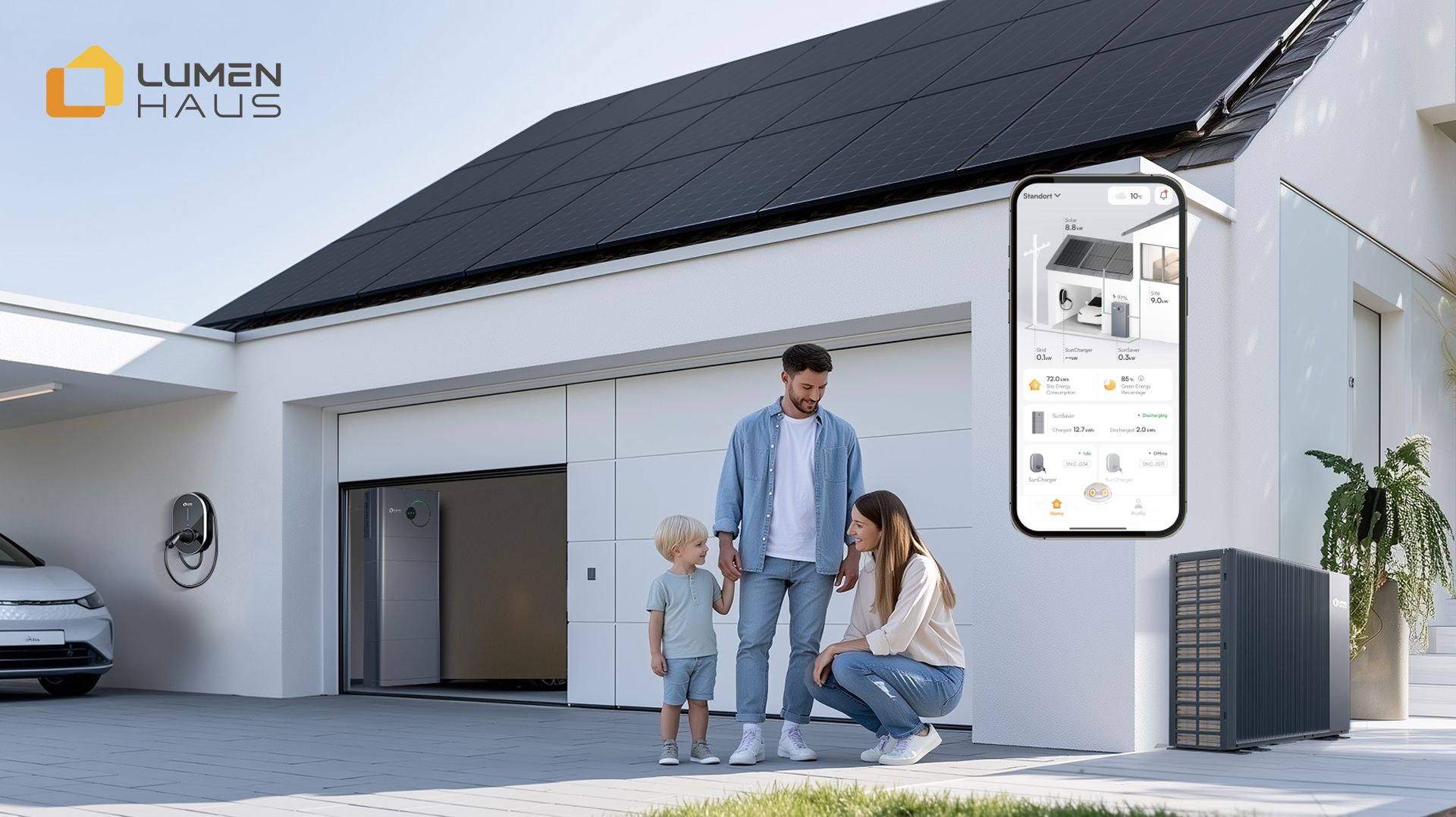
Why More German Households Are Using Home Energy Management Systems (HEMS)