How Dynamic Tariffs and Battery Storage System Help German Households Cut Electricity Costs in 2026
Germany’s energy market is undergoing a profound transformation. As the share of renewables continues to rise, electricity prices become increasingly volatile, and energy systems grow more digital, the traditional model of fixed tariffs and passive consumption is rapidly losing relevance.
By 2026, a growing number of German homeowners are discovering a more flexible and intelligent combination that works: dynamic tariffs and battery storage. This shift is not only changing how electricity is priced, but also redefining how households generate, store and use energy.
What Is A Dynamic Electricity Tariff?
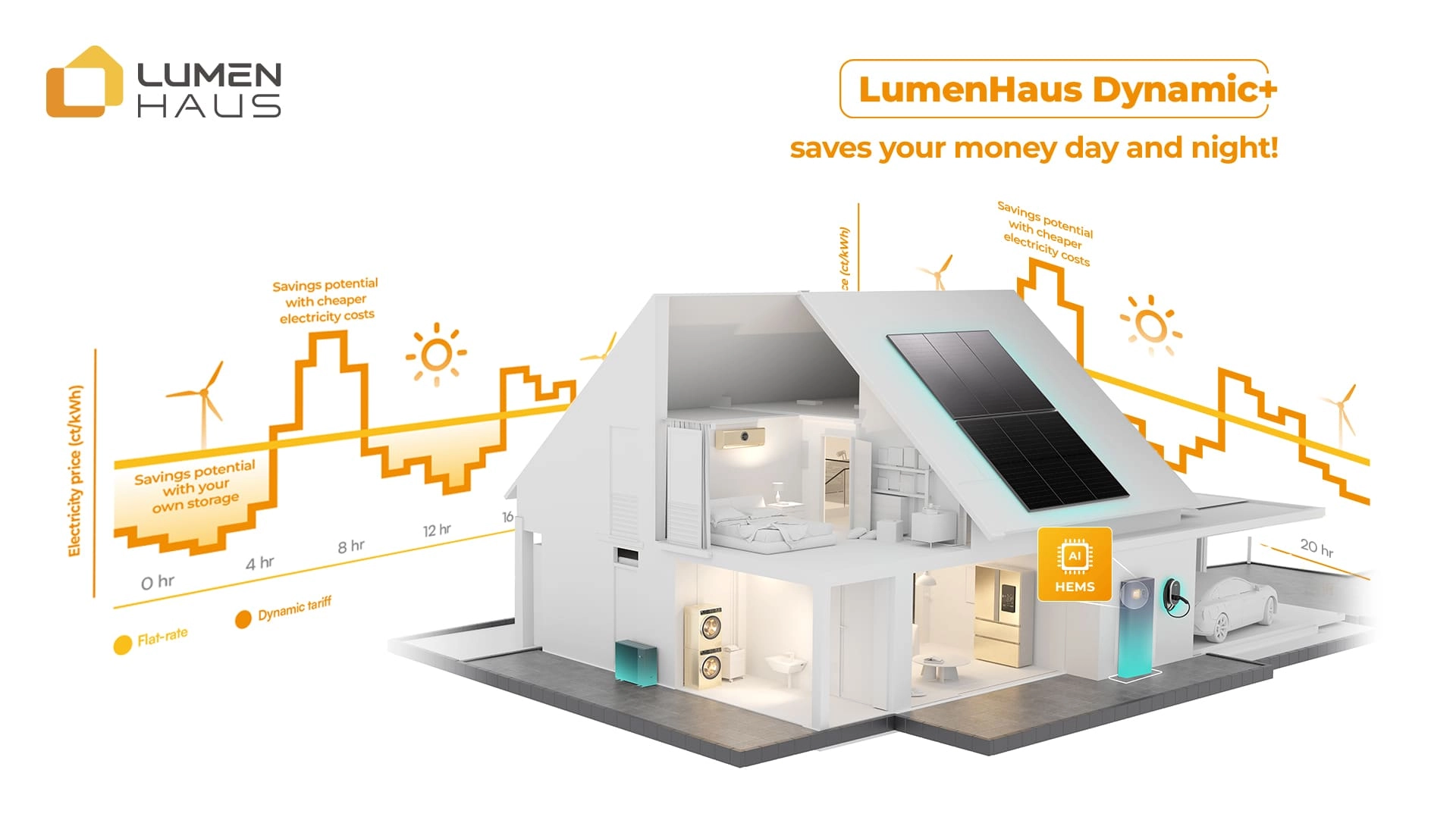
A dynamic tariff is a pricing model that reflects real-time supply and demand in the electricity market, typically linked to wholesale exchanges such as naturstrom and EPEX Spot. Unlike fixed tariffs, prices fluctuate hourly or even every 15 minutes. When renewable generation from wind or solar is high and supply exceeds demand, prices fall. Conversely, during peak demand periods — such as in the evening — prices rise.
At its core, this model transforms electricity from a fixed cost into a variable resource that can be actively optimised. Instead of paying a flat rate, consumers can shift their usage to cheaper periods and reduce overall energy costs. To access dynamic tariffs, households typically require a smart meter, which enables real-time measurement and billing. With Germany accelerating smart meter rollout from 2025 onwards, the foundation for widespread adoption is rapidly being put in place.
What Are the Benefits of Dynamic Tariffs for Households?
The primary advantage of dynamic tariffs lies in timing. By shifting energy-intensive activities — such as charging an electric vehicle, running a washing machine, or operating a heat pump—to off-peak periods, households can significantly cut electricity costs. In a country like Germany, where electricity prices are relatively high, these savings can be substantial.
Beyond cost reduction, dynamic tariffs also improve transparency and control. Users can monitor price changes in real time and adjust their consumption accordingly. This leads to lower peak demand, more efficient energy use, and better utilisation of renewable electricity. In this sense, dynamic pricing is not just a billing mechanism, but an important lever in the broader energy transition.
Why Battery Storage Makes The Perfect Partner?
Think of a home battery as your household's personal energy buffer. It sits between you, your solar panels, and the grid, and when it's connected to a dynamic tariff, it starts doing something very useful on its own.
It charges when electricity is cheap. It discharges when electricity is expensive.
No manual intervention is required, as the system automatically responds to price signals and optimises operation in the background.
If you've got solar panels too, and in 2026, more German homeowners do than ever before, the combination gets even better. Surplus solar energy generated during those long sunny afternoons gets stored rather than exported to the grid at a low feed-in rate. Then in the evening, when your household actually needs power and grid prices are peaking, you're drawing from your own stored energy instead.
This approach enables households to store electricity at lower costs and use it during high-price periods. It's not complicated in principle. It's just been difficult to execute — until now.
Who Benefits From Dynamic Tariffs?
Dynamic tariffs are particularly well suited to households with flexible energy usage. This includes those with electric vehicles, heat pumps, or solar installations. Such households typically have higher electricity demand but also greater flexibility in when and how that energy is used.
For households with highly fixed consumption patterns, it is advisable to assess the cost-benefit case before switching. However, as smart technologies become more widespread, the number of households able to benefit from dynamic tariffs will continue to grow.
Which Providers Offer Dynamic Electricity Tariffs in Germany?
Several energy suppliers in Germany already offer dynamic pricing models, including Tibber, Awattar, and naturstrom. These providers typically offer real-time pricing via digital platforms, along with consumption insights and integrations with smart devices.
Differences between providers can include pricing structures, levels of automation, and user experience. When choosing a provider, it is important to consider transparency, system compatibility, and whether the tariff supports integration with storage systems and smart home technologies.
LumenHaus: Enabling Truly Automated Energy Savings
In practice, understanding dynamic tariffs is only the first step — real savings depend on system integration. A high-performing home energy solution needs to coordinate pricing signals, storage, electric vehicles, heat pumps and solar generation within a single system. Using AI-based forecasting, such systems can predict electricity prices and consumption patterns, automatically deciding when to charge, discharge, or draw from the grid.
This level of automation removes the need for manual intervention, allowing households to continuously optimise costs while improving overall energy efficiency.
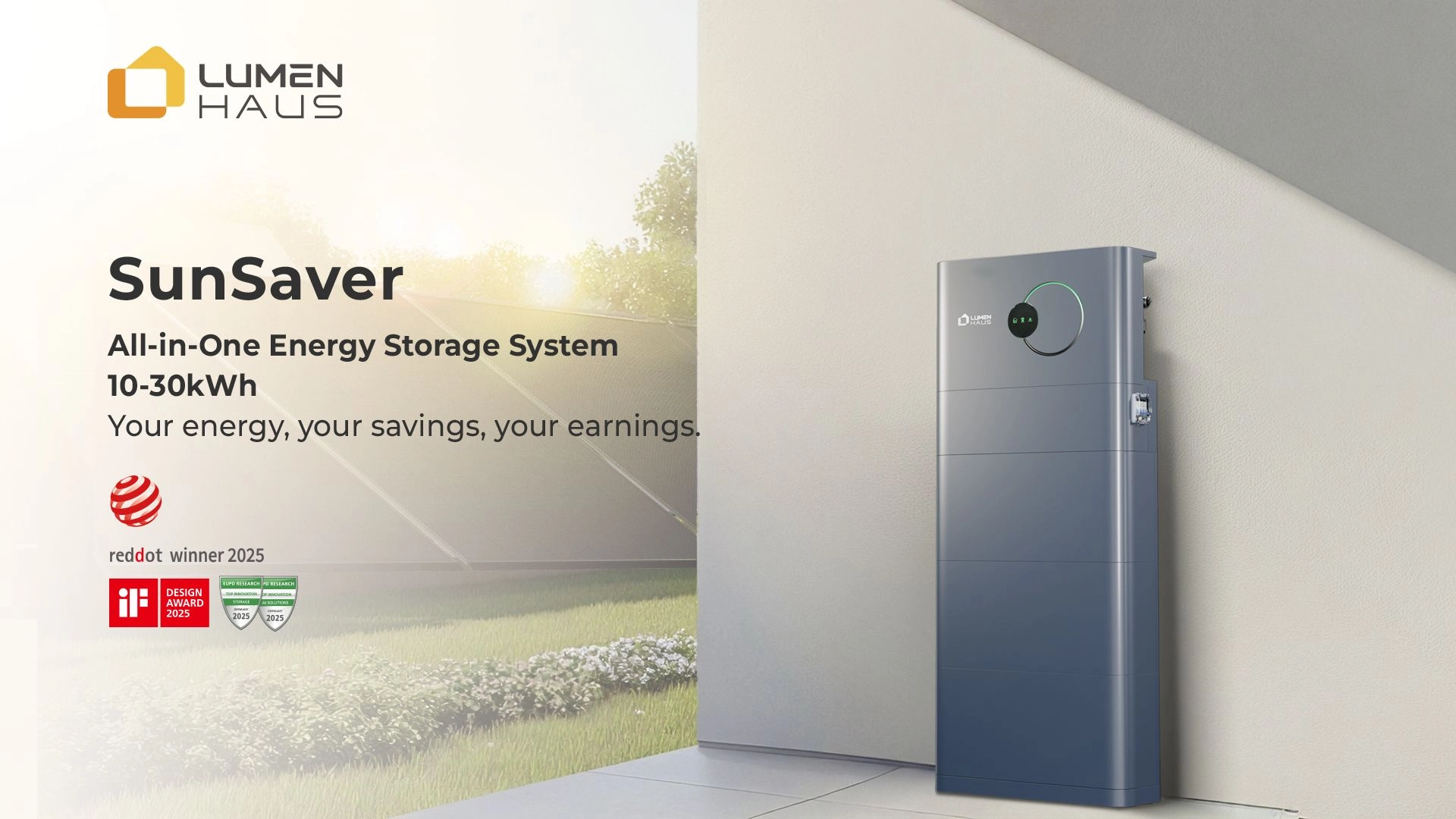
As an energy specialist based in Düsseldorf, LumenHaus focuses on turning complex technology into user-friendly solutions for everyday life. Its integrated SunSaver battery system is designed specifically for the German market and fully compatible with dynamic tariffs. Thanks to AI-powered predictive algorithms, the system operates seamlessly in the background, without requiring users to manage technical details.
Combined with the SunCatcher solar modules, the quiet SunHeater heat pump, and the intelligent SunCharger wallbox, the system ensures that every kWh is generated, stored and used at the most economical and sustainable moment. In addition, LumenHaus Dynamic+ offers particularly competitive electricity pricing in Germany—optimised intelligently and fully transparent.
The Key Advantages of LumenHaus Dynamic+
LumenHaus Dynamic+ stands out as one of the most competitive dynamic tariff solutions in Germany. In partnership with certified green energy providers such as naturstrom, it delivers real-time market-based pricing backed by one of the country’s most established renewable suppliers.
All electricity supplied comes from 100% renewable sources within Germany, including solar, wind and hydropower. The system’s AI-driven optimisation enables automatic cost savings by shifting consumption to favourable time windows and seamlessly balancing between solar generation and grid electricity.
Transparency and flexibility are central to the offering. There are no hidden fees, pricing structures are clear, and contracts can be adjusted or cancelled on a monthly basis. The switching process itself is straightforward, with LumenHaus guiding customers step by step into the world of dynamic energy.
Dynamic Tariffs and Storage System Are Becoming The New Standard
Dynamic+ represent more than just a new pricing model — they signal a fundamental shift in how energy is consumed. For the first time, households can actively respond to market signals and optimise their electricity costs. Battery storage transforms this potential into tangible results, making automated, intelligent energy management a reality.
As smart meters become widespread, price volatility increases, and renewable energy continues to expand, the combination of dynamic tariffs and battery storage is set to become a core component of home energy systems in Germany by 2026. For those looking to reduce costs, increase energy independence, and adopt a more sustainable lifestyle, this is no longer a future concept — it is an opportunity available today.
Are you ready for the era of dynamic electricity?
Would you like to take control of your energy costs?
Get your free home energy analysis today and discover how much you could save with a smart LumenHaus system.