How to Maximize the Value of Every kWh of Solar Energy: The Complete 2026 Guide to Balcony Battery Storage System in Germany
Germany's balcony solar market is entering a new phase of growth.
Over the past few years, driven by the Solarpaket I legislation, balcony PV systems have evolved from a niche solution for energy enthusiasts into a practical way for millions of households to reduce electricity bills. Simpler installation procedures, higher power limits and clearer rights for tenants have helped make Germany one of Europe's fastest-growing balcony solar markets.
Yet as the first wave of users gained real-world experience with balcony solar, a new question began to emerge:
Are households truly making the most of the electricity they generate?
For many, the answer is not necessarily.
Solar production peaks around midday, when many people are at work or away from home. By the time they return in the evening to cook dinner, watch television or charge their devices, the sun has already set, leaving them reliant on grid electricity once again.
As a result, the conversation in 2026 is shifting from "How can I generate more solar power?" to "How can I get more value from the solar power I already generate?"
This is precisely why balcony battery storage systems are experiencing such rapid growth.
In this guide, we'll explore whether balcony storage is worth the investment, how long it typically takes to pay for itself, and what characteristics define the most future-proof storage solutions for German households.
Why More German Households Are Adding Battery Storage to Their Balcony Solar Systems
If the growth of balcony solar over recent years was largely driven by policy support, the next stage of market development is being driven by consumer awareness.
More homeowners and tenants are beginning to recognise that the biggest limitation of balcony solar is not generation capacity, but the mismatch between when electricity is produced and when it is actually needed.
Consider a typical household.
At midday, when solar production is at its highest, only essential appliances such as a fridge or router may be running. Much of the solar energy generated remains unused.
Yet between 6 P.M. and 10 P.M., when cooking appliances, lighting, televisions and other household devices are operating simultaneously, electricity demand peaks — and power must often be purchased from the grid at significantly higher prices.
From an energy perspective, this creates a clear imbalance: The cheapest electricity available, your own solar power is not fully utilised, while the most expensive electricity is purchased from the grid when demand is highest.
Battery storage solves this problem by shifting unused solar energy from daytime hours into the evening.
Ultimately, storage is not about generating more electricity.
It is about using energy more efficiently.
Increasingly, industry experts argue that: The future of home energy is not about who generates the most electricity, but who uses their electricity most intelligently.
Before Considering Storage, Understand Your Energy Habits
Many households spend weeks comparing battery capacities, brands and prices before making a purchase.
However, the factor that most influences financial returns is not the specification sheet — it is how and when your household consumes electricity.
If your solar system produces surplus energy during the day and your highest consumption occurs in the evening, battery storage is likely to deliver greater value.
Before comparing products, spend a couple of weeks monitoring your energy usage patterns. Understanding your consumption profile often provides more useful insights than analysing technical specifications alone.
Battery Storage Changes More Than Just How You Use Electricity
Many consumers initially view battery storage as little more than a large rechargeable battery.
In reality, its value goes much further.
From a home energy economics perspective, the greatest benefit of battery storage lies in increasing solar self-consumption.
For example, if a balcony solar system generates 2,000 kWh of electricity annually but only 40% is consumed immediately, the remaining 60% delivers far less value.
A battery allows that surplus energy to be stored and used later — whether during the evening or when electricity prices are particularly high.
Given Germany's comparatively high residential electricity prices, every additional percentage point of solar self-consumption can improve overall savings.
Battery storage therefore does more than simply store electricity.
It helps households move from being energy consumers to becoming active energy managers.
Which Households Benefit Most from Balcony Battery Storage System?
This is arguably the most important question when assessing whether storage makes financial sense.
The reality is that battery storage is not the right solution for everyone.
Marketing materials often imply that storage guarantees substantial savings, but real-world outcomes depend heavily on individual circumstances.
Based on common usage patterns across the German market, the following household types tend to achieve the strongest returns.
Households Empty During the Day and Active in the Evening
This is perhaps the most obvious use case.
Solar energy generated during working hours can be stored and used later for cooking, entertainment and device charging.
For dual-income households, battery storage often significantly improves solar utilisation.
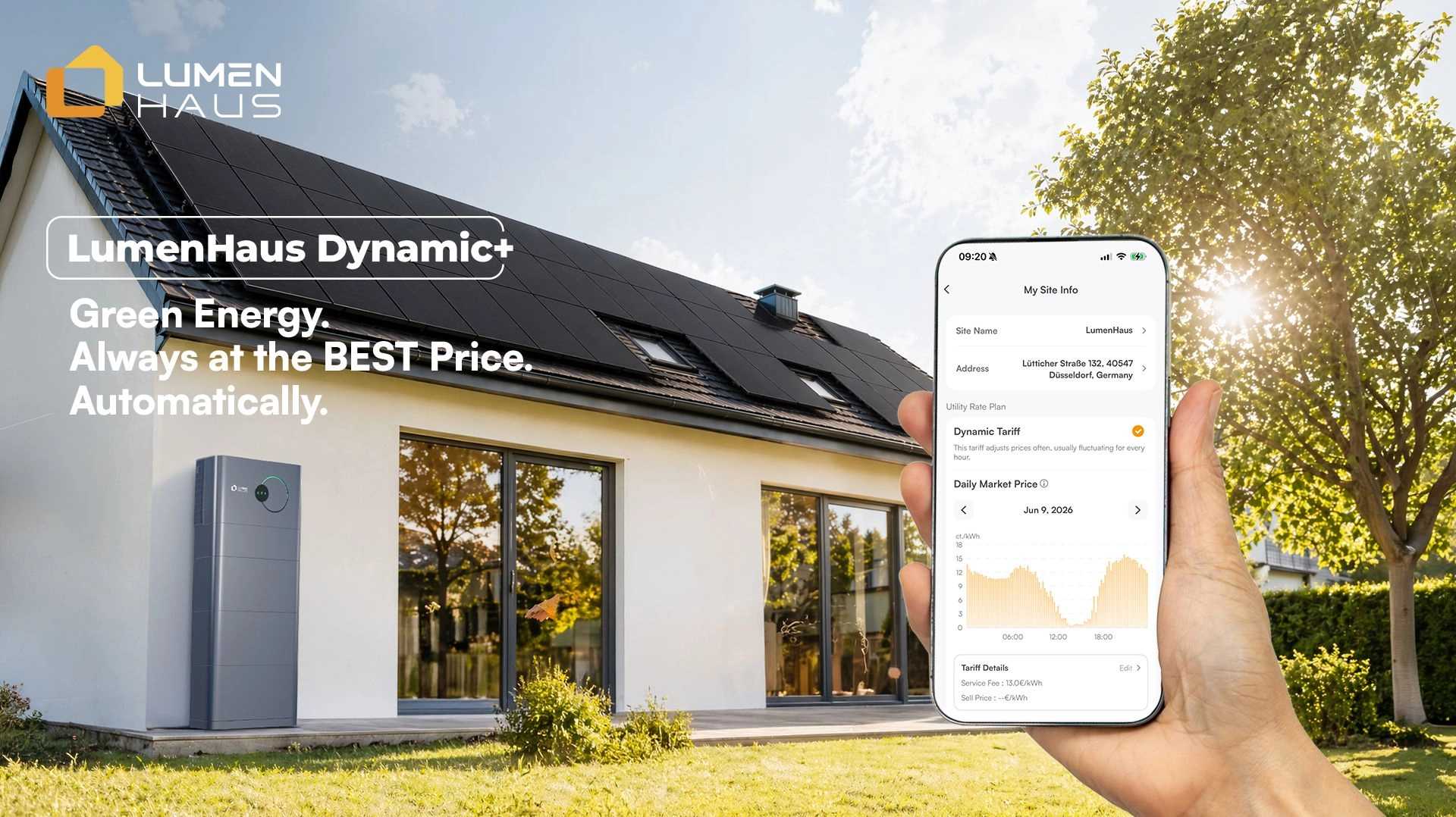
Households Using Dynamic Electricity Tariffs
As dynamic tariffs become increasingly common across Germany, battery storage is becoming even more valuable.
Storage systems can not only save solar energy but also charge during low-price periods and reduce grid consumption when prices rise.
This is expected to become one of the defining features of future home energy management.
Households Planning to Purchase an EV or Heat Pump
Energy demand rarely remains static.
A storage system that appears sufficient today may become a key part of a much larger home energy ecosystem in the future.
For households planning to electrify heating or transportation, storage often provides greater long-term value.
There Is No Universal "Best" Solution
Two households with identical battery capacities may achieve completely different financial outcomes.
Factors such as solar orientation, generation levels, family size, consumption habits and future plans for EVs or heat pumps all influence returns.
For that reason, understanding your energy needs should always come before comparing products.
The best storage system is not necessarily the largest or cheapest one — it is the one that best fits your household.
How Long Does Balcony Battery Storage System Take to Pay for Itself?
This remains one of the most frequently searched questions among German consumers.
Unfortunately, there is no universal answer.
The payback period depends on several key factors:
- Solar generation levels
- Household consumption patterns
- Local electricity prices
- Battery capacity
- Energy management capabilities
Many buyers focus heavily on battery size while overlooking one of the most important variables: energy management.
In practice, two systems with identical capacities can deliver financial results that differ by 30–50%.
The difference often comes down to how effectively the system optimises charging and discharging behaviour.
For a typical household equipped with around 2.8 kW of solar capacity and 6 kWh of storage, intelligent energy management can often reduce payback periods to approximately two to five years.
As a result, evaluating storage solely on purchase price risks overlooking the factors that determine long-term value.
Why AI-Powered Energy Management Is Redefining the Value of Storage
For many years, battery storage competition centred around capacity.
Over the coming decade, the key differentiator is likely to be intelligence.
As dynamic tariffs, electric vehicles and heat pumps become more widespread, home energy systems are becoming increasingly complex.
Weather influences generation.
Electricity prices influence costs.
Household behaviour influences demand.
Under these conditions, fixed charging schedules are no longer sufficient.
Many experts now believe that: The most valuable battery system of the future may not be the one with the largest battery, but the one with the smartest energy management.
AI-powered energy management is rapidly becoming the new benchmark.
By combining weather forecasts, household consumption patterns, solar generation forecasts and real-time electricity prices, intelligent systems can continuously optimise energy decisions.
For homeowners, this means lower energy costs without the need for constant manual intervention.
Interested in Learning More About Intelligent Energy Storage?
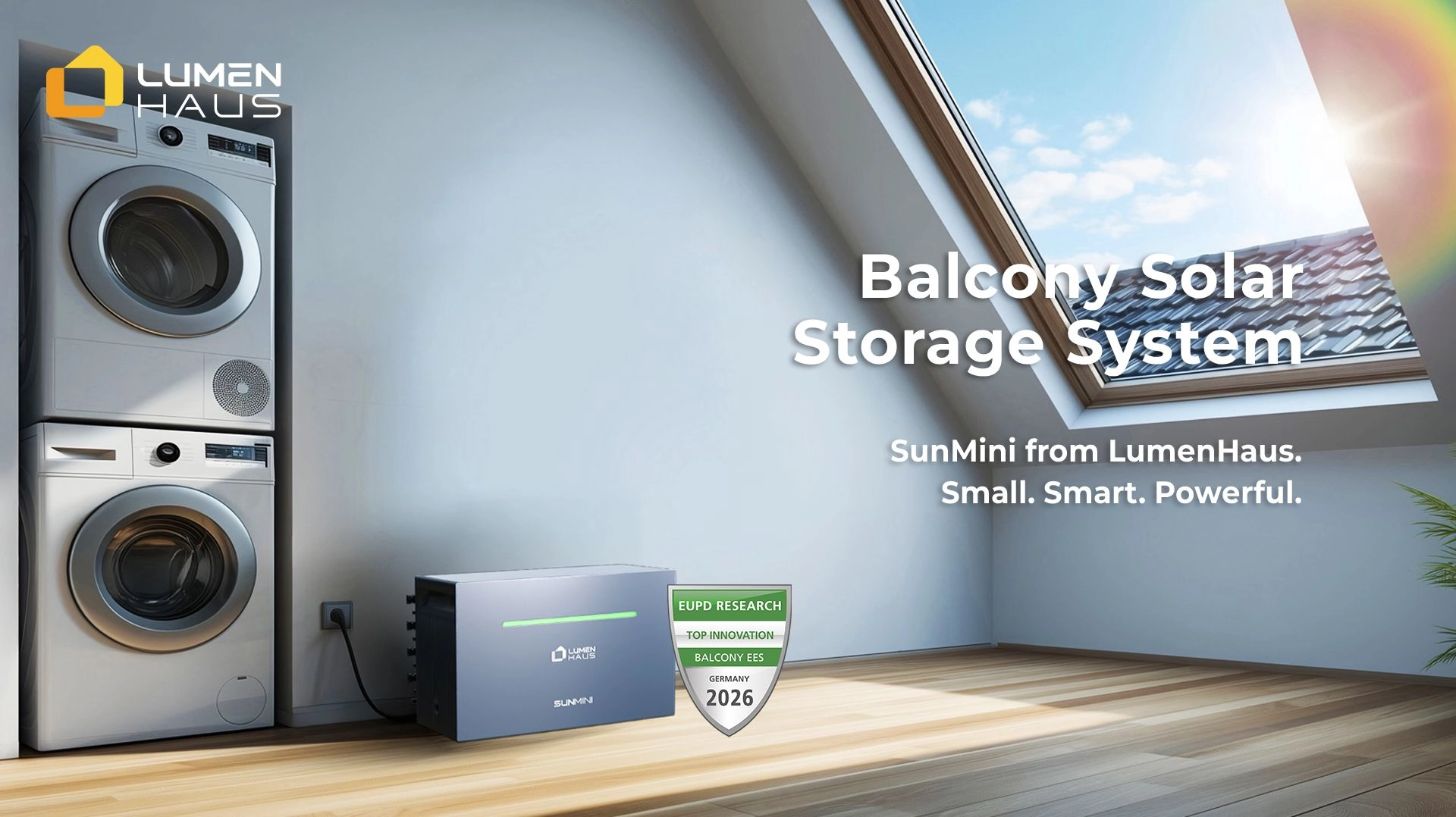
If you are currently evaluating balcony battery storage, it may be worth exploring how SunMini combines Smart-Eco Mode and Dynamic+ services to optimise energy consumption automatically.
Even if you are not planning an immediate purchase, understanding where home energy management is heading can help you make better long-term investment decisions.
10 Questions to Ask Before Buying Balcony Battery Storage System in 2026
Before making a final decision, consider the following:
- How much surplus solar energy does my household generate during the day?
- Do we have significant electricity demand during the evening?
- Are we planning to purchase an electric vehicle?
- Are we considering a heat pump installation?
- Is our existing inverter compatible with battery storage?
- Can the system be expanded in the future?
- Does it include intelligent energy management features?
- Does it offer backup power functionality?
- What are the battery lifespan and warranty terms?
- What is the total cost of ownership over its lifetime?
These questions often matter far more than the purchase price alone.
After all, the real measure of value is not how much a system costs today, but how much it can save over the next decade.
Next Step: Find the Right Balcony Storage Solution for Your Home
When choosing a storage system, don't focus solely on capacity or upfront cost.
Your energy consumption habits, future electrification plans and the intelligence of the system itself will often have a much greater impact on long-term returns.
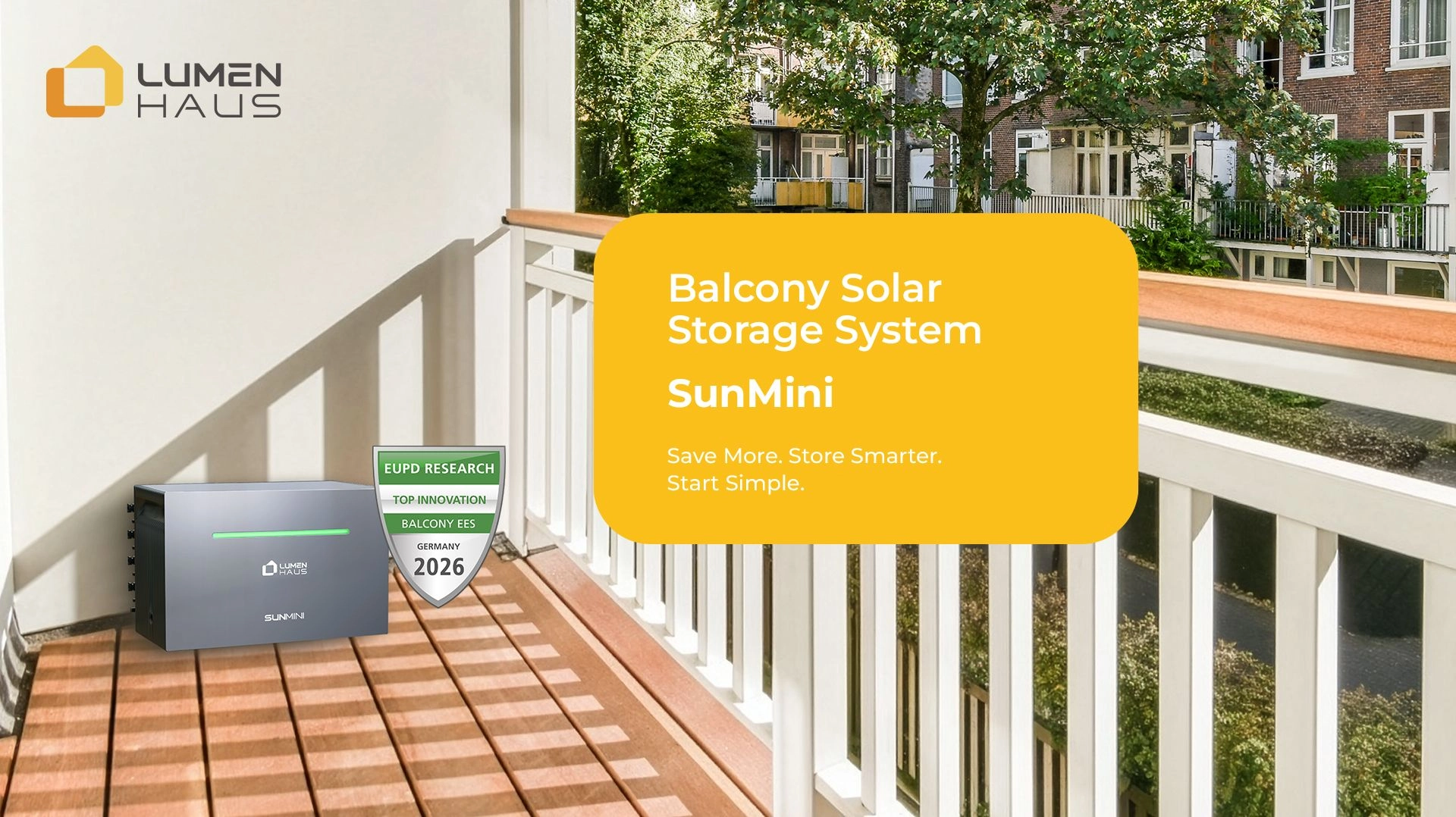
Discover how SunMini balcony solar storage system can help increase solar self-consumption and support a smarter, more efficient home energy future.