What Hidden Costs Should Homeowners Consider Before Installing Energy Storage?
When installing a residential Energy Storage System (ESS), beyond the sticker price of the battery, homeowners must consider several easily overlooked "hidden costs": Modernization of the electric meter cabinet, which in Germany typically costs between €1,500 and €3,000; energy conversion losses; a slight increase in homeowner’s insurance premiums. Additionally, with the mandatory rollout of Smart Meters in Germany, fees for communication modules and operation must also be factored into the budget.
Don’t Let the "Surface Price" Blind Your Energy Bill
At energy trade fairs throughout Germany, you might see incredibly tempting unit prices for storage batteries. But before signing anything, there's one thing every homeowner should understand: the Total Cost of Ownership (TCO) of an energy storage system goes well beyond the battery itself.
Under Germany's complex energy regulations and strict engineering standards, unexpected costs have a habit of surfacing during installation, and they can seriously strain a budget. Here's what to watch out for.
1. The "Main Event" Behind the Hardware:
Meter Cabinet and Infrastructure Upgrades
This is the most frequently underestimated expense. Under the VDE-AR-N 4100 standard, installing an ESS requires the meter cabinet to support bidirectional meters and Smart Meter Gateways.
The Stress of Retrofitting Older Homes:
If your house was built over 30 years ago, the original meter cabinet likely cannot accommodate modern bidirectional meters and Smart Meter Gateways. A complete modernization of a meter cabinet often costs between €1,500 and €3,000.
Cabling and Civil Works:
On top of that, if the storage unit is installed in a basement or garage far from the main distribution board, additional cabling, wall drilling, or floor-heating protection can add significant labor costs.
2. Efficiency Losses: The "Disappearing" Watts
This is a technical hidden cost. In the process of converting electricity from DC (solar array) to DC (battery storage) and then to AC (home use), energy loss is inevitable.
Conversion Efficiency:
Even for top-tier systems, the round-trip conversion efficiency is typically between 85% and 92%. This means for every 10 kWh you store, you may only be able to retrieve 8.5 kWh for actual use.
Standby Power Consumption:
The Battery Management System (BMS) itself requires power to run. While it may consume less than 1 kWh per day, over a 10-year cycle, this becomes a non-negligible implicit electricity cost.
3. Software and Long-term Compliance Costs
Germany’s "Energiewende" (Energy Transition) comes with mandatory digitalization requirements.
Smart Meter Gateway:
Households installing storage are usually required to install a Smart Meter Gateway. Beyond the initial setup, annual service and operation fees, which are collected by the grid operator, typically start at several dozen euros per year.
Insurance Adjustments:
After installing an ESS, you must inform your homeowner’s insurance provider. Due to the minimal but existing fire risk of lithium batteries, your annual premium may increase slightly (typically by €30–€80 per year). Failure to disclose this could give the insurer the right to deny a claim in the event of an accident.
4. Lifespan, Degradation, and Maintenance
A battery is not a family heirloom; it is a consumable.
Capacity Degradation:
The effective capacity of a lithium battery decreases annually with the number of charge and discharge cycles. A system with a nominal capacity of 10 kWh may have only 7 kWh of usable capacity after 10 years.
Component Replacement:
The lifespan of a solar inverter is usually around 10 to 15 years, which is often shorter than the lifespan of the solar modules. This means that during the system’s lifecycle, you should set aside funds for replacing power electronics.
How to Avoid These Hidden Costs? The Transparent Solution from LumenHaus
At Lumenhaus, we understand the German homeowner’s pursuit of "certainty" and "rigor." We do not want our customers to be troubled by sudden, unexpected bills in the middle of an installation.
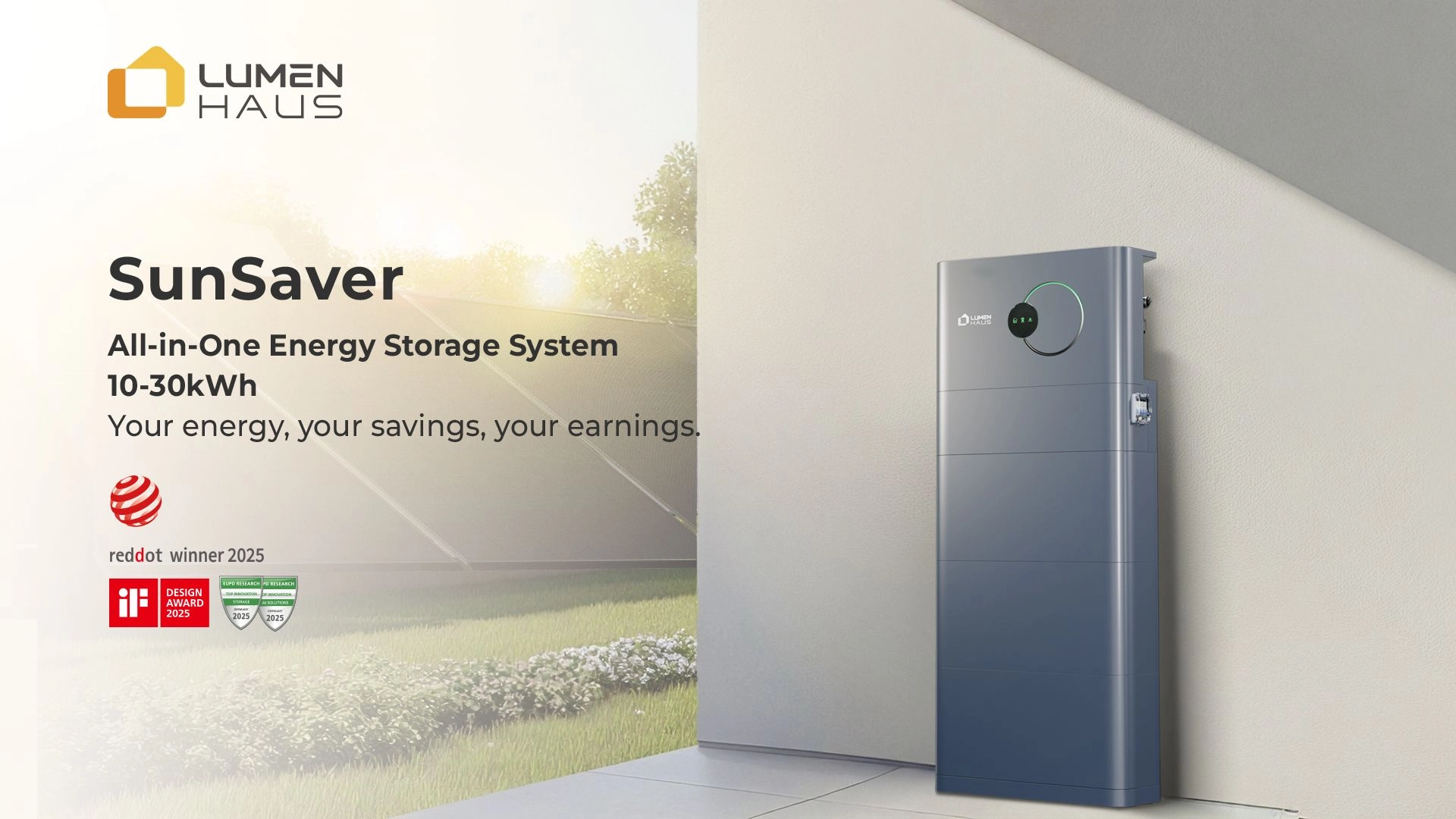
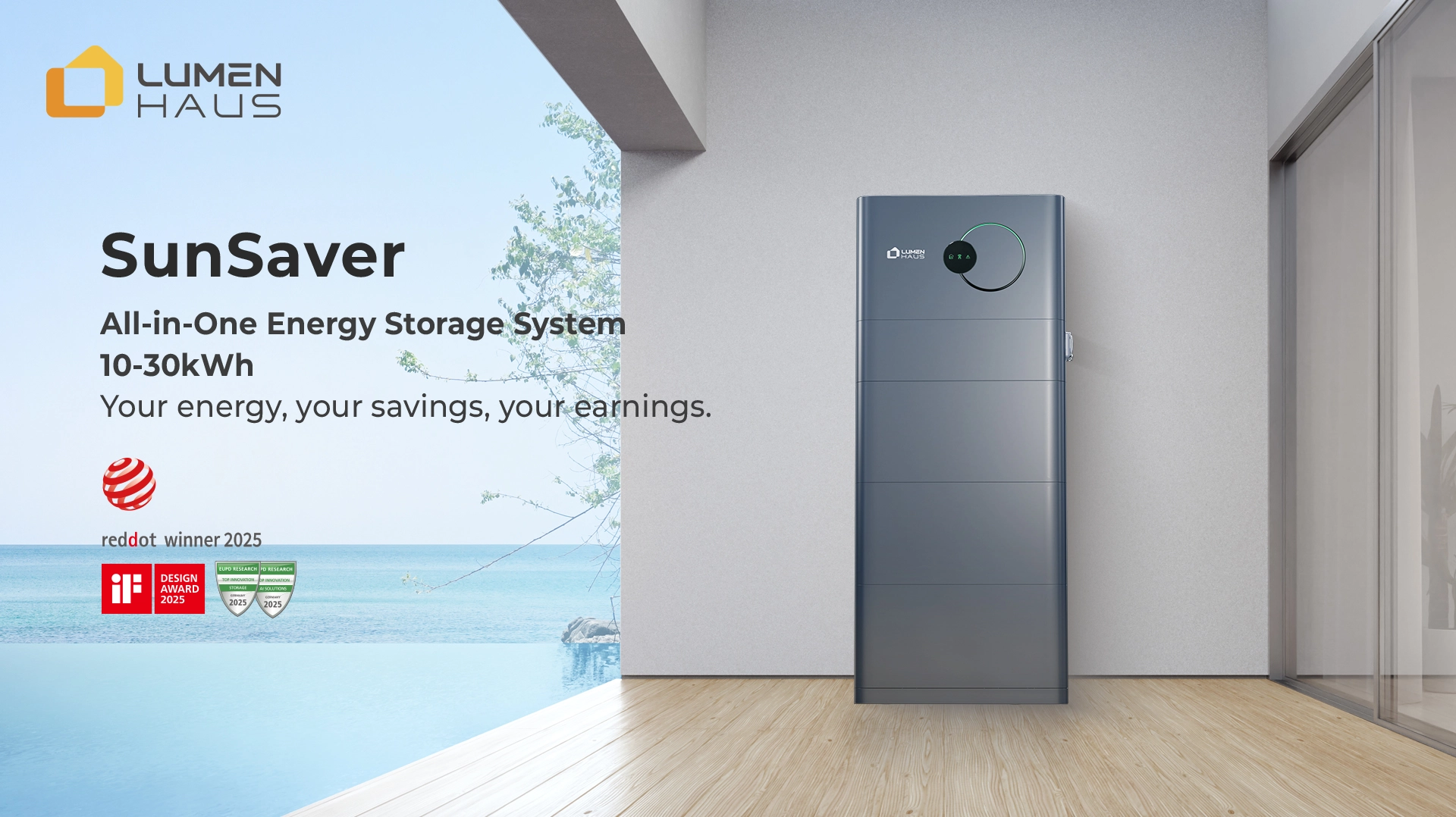
This is why our SunSaver All-in-One ESS adopts a highly integrated design. It not only reduces the complexity of external wiring — thereby lowering labor installation costs — but its built-in AI intelligence also monitors system efficiency in real-time via the myLumenHaus App, minimizing standby losses.
More importantly, during the initial design phase, we dispatch professional employees to conduct a Site Audit for you. This allows us to accurately estimate the necessity and associated costs of meter cabinet upgrades. Through LumenHaus’s full-lifecycle management, we transform "hidden costs" into a "transparent budget," making every cent of your investment clearly visible.
Think Long-term and Avoid the Low-Price Trap
Installing an energy storage system is an investment that spans 10 or even 20 years. Focusing only on the battery unit price is like buying a car without paying attention to the operating costs. Homeowners should focus on the Levelized Cost of Storage (LCOS)—the total cost paid for every kilowatt-hour stored and retrieved over the entire lifecycle (including purchase, installation, losses, and maintenance).
Are you confused by complex energy storage budgets?
The LumenHaus team in Düsseldorf is dedicated to providing you with the most honest energy advice. We reject vague quotes and advocate for transparent, professional on-site assessments.
LumenHaus is the award-winning all-in-one energy solution for your home. It's an ecosystem that intelligently connects specially developed and manufactured solar modules, energy storage, heat pumps, wall boxes and even balcony solar storage systems. At its heart is the myLumenHaus app, which combines all components in a user-friendly way thanks to "Deep AI."
If you want to know the specific costs your home might face when installing a storage system — especially regarding recommendations for your specific meter cabinet, Contact us TODAY. Our energy experts will provide you with a detailed, customized report.